Managing High Uric Acid: A Practical Plan for Gout Relief
Gout is a form of arthritis that flares up when uric acid builds up in the bloodstream and forms sharp crystals in a joint. The result is sudden, intense pain, often in the big toe, but it can affect any joint. While the condition can feel overwhelming, treatment follows a clear sequence of steps that anyone can learn. This article lays out those steps in order, with practical guidance on what to watch for at each stage.
Step 1: Confirm the Diagnosis
Before starting any treatment plan, it helps to be sure that gout is the problem. Symptoms such as sudden joint pain, swelling, redness, and warmth around the joint are strong clues. A healthcare provider can measure uric acid levels in the blood. Levels above 7 mg/dL in men or 6 mg/dL in women raise the risk of gout. If you have had an attack and your levels are high, gout is likely. A joint fluid test can confirm crystals are present, though this is not always needed.
Step 2: Manage the Acute Flare
When a gout attack strikes, the priority is to reduce pain and inflammation quickly. Over-the-counter nonsteroidal anti-inflammatory drugs (NSAIDs) such as naproxen or ibuprofen are a common first choice. They work by blocking the inflammation that drives the pain. Some people respond well to colchicine, a medication that targets the inflammatory response more directly. It is most effective when taken within the first 24 hours of an attack. Joint inflammation can also be eased with rest, elevation of the affected limb, and applying ice packs to the area. Avoid aspirin because it can raise uric acid levels and make things worse.
Step 3: Lower Uric Acid Levels Over Time
Once the acute pain subsides, the real work begins. The goal is to reduce uric acid levels so that new crystals do not form and existing ones dissolve. Medications such as allopurinol are often prescribed for this purpose. Allopurinol works by slowing the production of uric acid in the body. It is taken daily, and it may take several weeks or months to see full results. Another option is febuxostat, which works in a similar way. Some people use probenecid, a drug that helps the kidneys remove more uric acid through urine. Your doctor will help choose which is right for you based on your overall health and kidney function.
It is important to watch for side effects. Allopurinol can cause a rash or digestive upset in some people. If you notice any unusual symptoms, report them to your doctor. Regular blood tests will track your uric acid levels and guide adjustments to your treatment plan.
Step 4: Adjust Your Diet
Dietary changes are a key part of keeping uric acid in check. The body produces uric acid when it breaks down purines, compounds found in many foods. Reducing high-purine foods can help lower levels naturally.
- Limit red meat, organ meats, and shellfish such as shrimp and scallops.
- Avoid sugary drinks and foods sweetened with high-fructose corn syrup, as fructose increases uric acid production.
- Include low-fat dairy, eggs, and plant proteins like beans and lentils in moderate amounts.
- Eat plenty of vegetables, whole grains, and cherries. Some evidence suggests that cherry extract may help reduce uric acid and joint inflammation.
Hydration is equally important. Drinking enough water helps the kidneys flush out excess uric acid. Aim for 8 to 12 glasses of water per day, especially if you are active or live in a warm climate. Avoid alcohol, particularly beer and spirits, as they raise uric acid levels. Wine may have a smaller effect but should still be consumed in moderation.
Step 5: Support with Supplements
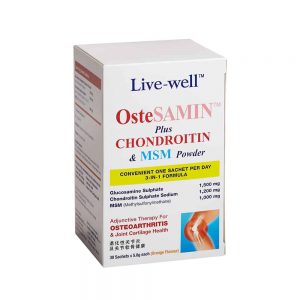
Some nutrients and botanical compounds may complement medical treatment. Vitamin C, for example, has been shown to help lower uric acid levels in some studies. A daily multivitamin can provide a baseline of essential nutrients that support overall health, including joint and kidney function. For those looking for targeted support, products like those available through Livewell2u offer formulas designed for joint health and general wellness. These are not a substitute for medication, but they can be part of a balanced approach to managing gout. Always check with your healthcare provider before adding any supplement to your routine.

Step 6: Monitor and Maintain
Gout treatment is not a one-time fix. It requires ongoing attention to uric acid levels and lifestyle habits. After an attack, continue taking any prescribed medication as directed. Keep track of your symptoms and uric acid levels with regular blood tests. Many people find that keeping a food and symptom diary helps identify triggers. Common triggers include dehydration, heavy meals, alcohol, and stress.
Exercise is beneficial, but choose low-impact activities such as walking or swimming during a flare. Strenuous exercise can temporarily raise uric acid levels. Stay consistent with hydration and dietary habits even when you feel fine. Gout can return if levels creep back up.
What to Watch For
Throughout the treatment process, watch for signs that the plan needs adjustment. If you experience frequent flares despite treatment, your uric acid target may need to be lower. Some people need a combination of medications to achieve good control. Also, be aware that certain medications for other conditions, such as diuretics and cyclosporine, can raise uric acid levels. Let your doctor know about all medicines and supplements you take.
If joint inflammation persists beyond a few days or spreads to new joints, see a healthcare provider. Chronic high uric acid can lead to tophi - lumps of crystals under the skin - and joint damage. Early intervention prevents these complications.

Putting It All Together
Treatment for gout is a stepwise process that starts with confirming the diagnosis, managing the immediate flare, and then addressing the root cause of high uric acid. Dietary changes, hydration, and targeted supplements all play a role. Livewell2u provides options for those looking to support their joint health through nutrition, but the foundation must be medical guidance and consistent lifestyle habits. With patience and careful monitoring, most people can reduce the frequency and severity of gout attacks and protect their joints over the long term.